


Which Distributors Dominate the Mobile Phone Market Today?

Let’s get something straight. Mobile phone distributors are not just middlemen moving boxes from Point A to Point B. That’s the lazy explanation. In reality, they’re the backbone of the entire smartphone supply chain. Without them, brands don’t scale, retailers don’t stock up, and online sellers don’t have inventory to push.
A good distributor manages logistics, warehousing, compliance, carrier relationships, bulk purchasing, and pricing structures that most retailers simply can’t negotiate on their own. They sit between manufacturers and the thousands of resellers who actually move product to end users.
And the market is brutal. Margins are tight. Devices depreciate fast. One wrong inventory call and you’re sitting on outdated stock nobody wants. So when people ask about the best mobile phone distributors, what they’re really asking is: who knows how to manage risk while keeping the product flowing?
That’s a different conversation.
Why Retailers Rely on Cell Phone Distribution Companies
If you run a retail store, online shop, or wholesale operation, you don’t call Samsung or Apple and say, “Hey, send me 500 units.” That’s not how this works. You work with cell phone distribution companies because they already have purchasing agreements in place. They buy in volume. Serious volume.
Distributors smooth out supply fluctuations. When manufacturers limit shipments or prioritize certain markets, distributors adjust allocations. They also provide credit terms in many cases, which is a lifeline for smaller retailers who can’t tie up massive capital in inventory upfront.
There’s also the issue of product variety. A single retailer might need flagship devices, mid-range Android phones, budget prepaid units, and unlocked international models all at once. That diversity usually comes from established mobile phone distributors who maintain broad networks across regions.
Without them, inventory becomes inconsistent. And inconsistency kills trust with customers.
What Separates Top Mobile Phone Distributors From the Rest
Not all distributors are equal. Some are basically brokers flipping inventory opportunistically. Others operate structured supply chains with audited sourcing, warranty support, and after-sales processes.
The best mobile phone distributors focus on three core areas: reliability, pricing discipline, and transparency.
Reliability means they deliver what they promise. No bait-and-switch on models or grades. No last-minute cancellations because they misjudged inventory. If they confirm 1,000 units, those units ship.
Pricing discipline matters because this industry swings fast. One aggressive price drop can ripple across markets in days. Strong distributors don’t panic-sell inventory at unsustainable prices. They manage their pipeline carefully.
Transparency might be the most underrated factor. Clear grading standards. Honest lead times. Straight answers when stock is limited. Retailers respect that.
Understanding Global vs Regional Cell Phone Distribution Companies
There’s a difference between global distribution networks and regional players. Both have value, but they operate differently.
Global cell phone distribution companies often manage cross-border logistics, import/export compliance, and multi-country supply agreements. They’re ideal for large retailers or e-commerce sellers targeting multiple markets. These distributors usually have sophisticated warehousing systems and strong relationships with OEMs.
Regional distributors, on the other hand, often understand local market demand better. They know which models move quickly in their specific area. They understand carrier preferences, consumer price sensitivity, and even seasonal buying habits.
Sometimes smaller regional distributors move faster than large global ones. Less bureaucracy. Quicker decisions. It depends on your business model.
The Supply Chain Behind Mobile Phone Distributors
Most people don’t see what happens behind the scenes. It’s not glamorous.
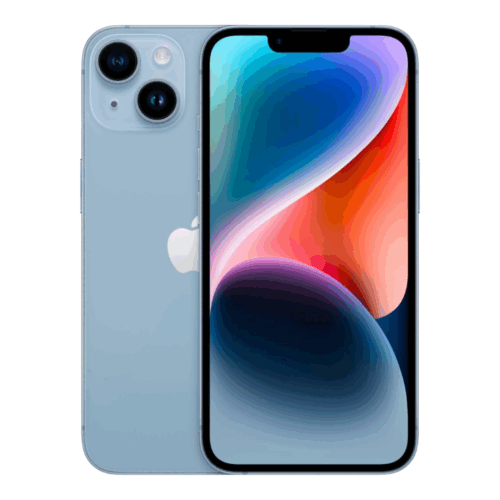
Manufacturers produce devices in massive volumes. Those units get allocated to different distribution partners. From there, mobile phone distributors manage storage, inventory rotation, testing (for refurbished stock), and onward shipment to wholesalers and retailers.
There’s also the gray market element. Not illegal, but complicated. Devices intended for one country sometimes get redirected to another based on demand and price gaps. Experienced distributors understand the legal boundaries here. Inexperienced ones make costly mistakes.
Logistics alone can make or break a distributor. Delayed shipments. Customs holds. Currency swings. A distributor who doesn’t hedge risk properly will struggle. And when they struggle, everyone downstream feels it.
Pricing Models Used by Cell Phone Distribution Companies
Pricing in this space isn’t simple markup math. It shifts daily.
Cell phone distribution companies monitor manufacturer price adjustments, competitor inventory levels, seasonal demand spikes, and even product launch rumors. When a new iPhone is about to drop, older models soften. Fast.
Some distributors operate on razor-thin margins but high volume. Others focus on niche inventory, like refurbished or unlocked international variants, where margins are slightly healthier.
Credit terms also affect pricing. If a distributor offers net-30 or net-60 terms, that risk gets built into the cost. Cash buyers usually get sharper deals. That’s just how it works.
Retailers who understand this dynamic tend to negotiate better. Those who don’t often assume prices are fixed. They’re not.
Risks and Challenges in the Mobile Phone Distribution Business
Let’s be honest. This isn’t a calm industry.
Devices depreciate quickly. Political trade restrictions can shift supply overnight. Currency volatility eats margins without warning. And counterfeit devices still circulate in certain markets, damaging trust.
Mobile phone distributors must constantly validate sourcing channels. One batch of questionable inventory can ruin a reputation built over years.
Then there’s overstock risk. If a distributor overestimates demand for a specific model, they’re stuck discounting heavily just to clear warehouse space. That impacts the entire reseller network.
It’s a tightrope. And not everyone balances well.
How to Choose the Right Mobile Phone Distributor for Your Business
If you’re evaluating potential partners, don’t just look at price sheets. That’s the rookie mistake.
Ask about sourcing channels. Ask how they handle warranty claims. Ask about lead times during high-demand launches. See how transparent they are when inventory tightens.
Good mobile phone distributors communicate proactively. They tell you when supply is limited. They don’t disappear when issues arise.
Also consider scale compatibility. Some cell phone distribution companies prefer working with large-volume buyers only. Others specialize in supporting smaller retailers with flexible minimum orders.
There’s no universal “best.” There’s only best for your model.
The Growing Demand for Refurbished and Unlocked Devices
One shift worth noting: refurbished and unlocked phones are no longer secondary markets. They’re mainstream.
Many mobile phone distributors now operate certified refurbishment programs. Devices are graded, tested, and resold with limited warranties. This opens opportunity for retailers targeting budget-conscious customers.
Unlocked international models are also in demand, especially for online sellers serving customers who want carrier flexibility.
Cell phone distribution companies that adapt to this demand tend to outperform those stuck relying solely on new device allocations. The market is evolving. Fast.
Future Trends Shaping Mobile Phone Distributors
The next few years won’t look like the last five.
Direct-to-consumer sales from manufacturers are increasing, but distributors still play a major role in regional coverage and smaller retail networks. Automation in warehousing is becoming more common. Inventory tracking is getting smarter.
Data matters more now. Top mobile phone distributors analyze sales velocity, regional demand patterns, and price elasticity in real time.
Sustainability is creeping into conversations too. Device recycling programs. Trade-in ecosystems. Responsible sourcing. Customers care more than they used to.
And the competition? It’s not slowing down.
Conclusion: Why Strong Distribution Partners Still Matter
Here’s the bottom line. Mobile phone distributors are not going anywhere. If anything, their role is becoming more complex and more critical. Retailers need stable supply, fair pricing, and honest communication. Manufacturers need scalable channels without managing thousands of small accounts directly.
Cell phone distribution companies sit in that middle layer, absorbing risk, managing inventory, and keeping product moving. Choosing the right partner isn’t about finding the absolute lowest price. It’s about finding consistency. Transparency. Real operational depth..

 English
 French
 Spanish
 Portuguese
 Deutsch
 Turkish
 Dutch
Dutch
 Italiano
 Russian
 Romaian
 Portuguese (Brazil)
 Greek
Greek