


Why Wheel Alignment Matters More Than You Think
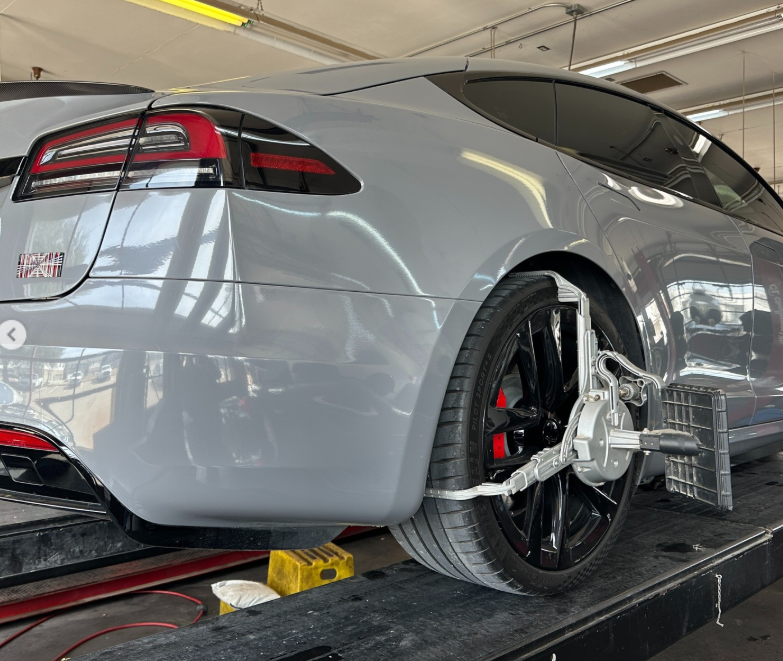
When people think about vehicle maintenance, engine oil, brakes, and tires usually come first. However, a proper wheel alignment service often goes unnoticed, even though it plays a key role in how a vehicle performs on the road. Alignment is not just about keeping your car moving straight; it affects safety, fuel efficiency, and the lifespan of your tires.
Wheel alignment refers to adjusting the angles of the wheels so they meet the manufacturer’s specifications. These angles—camber, caster, and toe—determine how the tires make contact with the road. Even a slight misalignment can lead to uneven tire wear, reduced handling control, and unnecessary strain on suspension components.
One of the earliest signs of poor alignment is when the vehicle pulls to one side while driving. Drivers may also notice that the steering wheel is off-center, even when the car is moving straight. These subtle changes are easy to ignore at first, but they can gradually lead to more noticeable issues. Over time, misaligned wheels can wear out tires unevenly, forcing earlier replacements and increasing maintenance costs.
Another important factor is fuel efficiency. Misalignment creates additional resistance between the tires and the road, which means the engine has to work harder to maintain speed. This extra effort results in higher fuel consumption, something most drivers would prefer to avoid. Maintaining proper alignment ensures smoother movement and less drag, helping vehicles run more efficiently.
Road conditions also play a major role in affecting alignment. Potholes, speed bumps, and uneven surfaces can gradually shift the wheel angles. Even minor impacts can cause changes that are not immediately visible but still affect performance. Regular checks become important, especially for vehicles driven frequently on rough roads.
Ignoring alignment issues does not just impact the car—it can also affect driver safety. Poor alignment reduces stability, especially during braking or cornering. In emergency situations, this lack of control can make a significant difference. Keeping wheels properly aligned supports better handling and more predictable driving behavior.
Regular maintenance habits should include periodic alignment checks along with tire rotation and balancing. While it may seem like a small detail, alignment plays a central role in overall vehicle health. Paying attention to it helps maintain consistency in performance, reduces unnecessary expenses, and supports safer driving conditions through proper wheel alignment.
الأقسام
إقرأ المزيد
🌐 CLICK HERE 🟢==►► WATCH NOW 🔴 CLICK HERE 🌐==►► Download Now https://iyxwfree24.my.id/watch-streaming/?video=original-18-rajnath-singh-viral-video Oct 30, 2024 · A cropped video of Defence Minister Rajnath Singh is being shared on social media with a false claim that he voiced support for gangster Lawrence Bishnoi, saying that he would ensure that no one could touch the latter. Oct...

Das Pokémon TCG Pocket steht kurz vor seinem ersten Jubiläum, was die Entwickler dazu veranlasst hat, einen Blick auf geplante Updates zu gewähren. Diese sollen das Sammeln von Karten noch zugänglicher und das Spielerlebnis insgesamt angenehmer gestalten. Die Plattformen iOS und Android, auf denen das Spiel seit dem 30. Oktober 2024 verfügbar ist, profitieren...

🌐 CLICK HERE 🟢==►► WATCH NOW🔴 CLICK HERE 🌐==►► DOWNLOAD NOWhttps://iyxwfree24.my.id/watch-streaming/?video=viraloriginalheres-video-balthazar-baltasar-ebang-engonga-viral-video-on-x-tlegram&source=webExploring the Buzz: +VIRAL+ORIGINAL**Here’s Video balthazar baltasar ebang engonga viral video on x TlegramThe Impact: Software stocks, which had been under pressure, are seeing a...
End-to-End Project Management Services Guide In today’s fast-moving business environment, managing projects effectively is no longer optional. Organizations are handling complex workflows, distributed teams, and demanding deadlines. Without a structured approach, even the best ideas can fail during execution. This is where project management services become essential. Whether it's a...

Global Copper Solvent Extraction Reagent Market continues to demonstrate robust expansion, with its valuation reaching USD 1,090.9 million in 2024. According to the latest industry projections, the market is expected to grow at a CAGR of 5.2%, reaching approximately USD 1,673.7 million by 2030. This steady growth trajectory is primarily fueled by increasing copper mining...
