


Benefits of Choosing to Study Dentistry in Romania in English
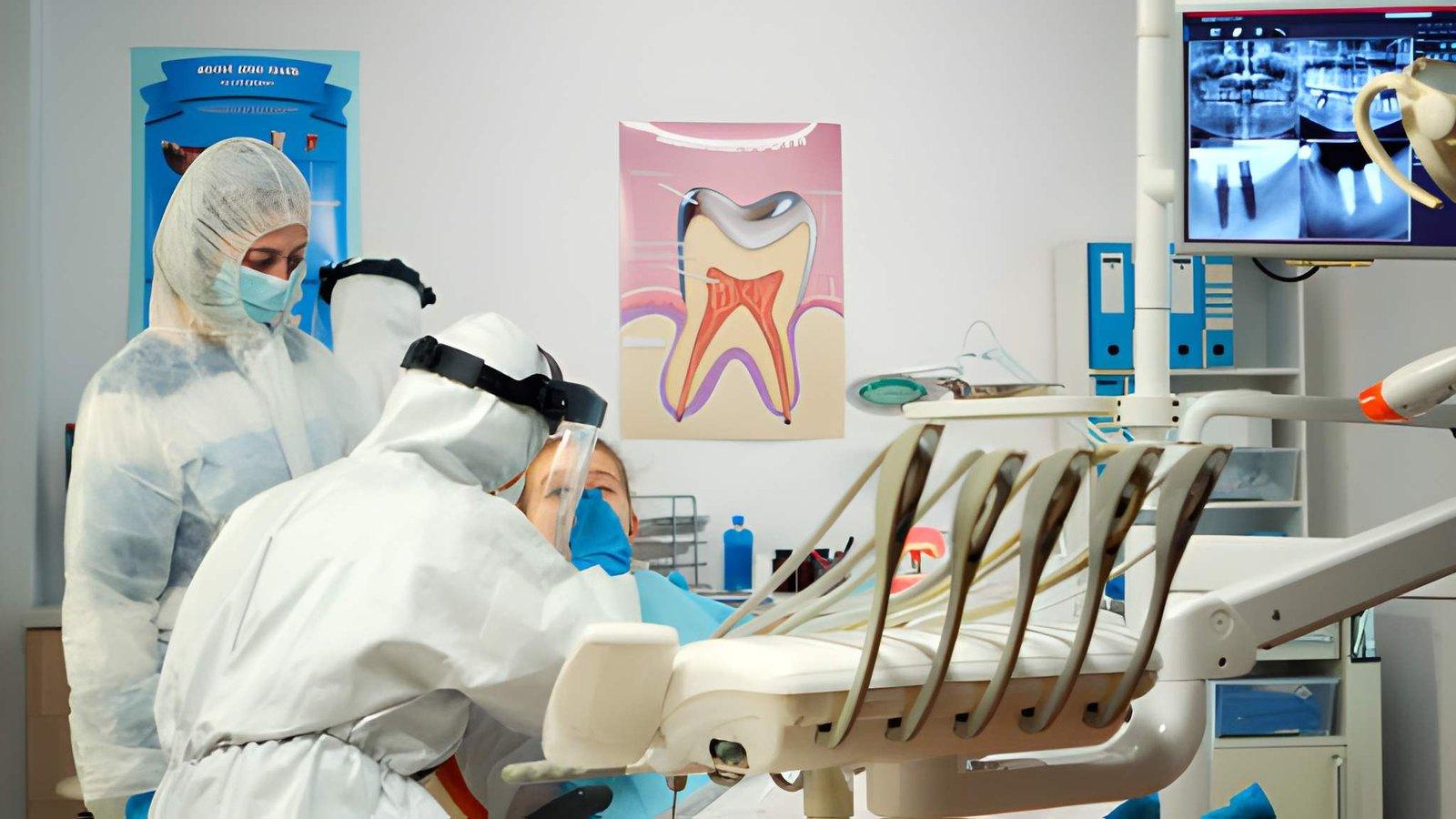
Studying dentistry abroad has become a popular option for international students who want high-quality education at an affordable cost. One destination that has gained significant attention in recent years is Romania. The country offers internationally recognized dental programs, modern facilities, and the opportunity to study in English.
For many students from Asia, the Middle East, and Africa, studying dentistry in Romania provides a pathway to a successful medical career in Europe. This guide explains how international students can study dentistry in Romania in English, including universities, admission requirements, tuition fees, and application steps.
Why Choose Romania for Dentistry Studies?
Romania is home to several well-established medical universities that offer dentistry programs taught entirely in English. These universities follow European Union academic standards, which means the degrees are recognized in many countries worldwide.
Another advantage is affordability. Compared with countries like the UK or the US, tuition fees and living costs in Romania are significantly lower. Students also benefit from a multicultural learning environment and modern medical training facilities.
In addition, Romania is part of the European Union, which allows students to experience European education and clinical training.
Top Universities Offering Dentistry in English
Several Romanian universities offer dentistry programs in English specifically designed for international students. Some of the most popular institutions include:
-
Carol Davila University of Medicine and Pharmacy in Bucharest
-
Iuliu Hațieganu University of Medicine and Pharmacy in Cluj-Napoca
-
Grigore T. Popa University of Medicine and Pharmacy in Iași
-
Victor Babeș University of Medicine and Pharmacy in Timișoara
These universities are known for their high academic standards and modern laboratories. Many also have partnerships with European institutions, providing students with additional learning opportunities.
Duration of Dentistry Programs
Dentistry programs in Romania usually take six years to complete. The curriculum combines theoretical knowledge with practical clinical training.
Students typically study subjects such as anatomy, physiology, oral pathology, dental surgery, orthodontics, and prosthodontics. In the later years of the program, students gain hands-on experience by treating patients under professional supervision.
Admission Requirements for International Students
Admission requirements may vary slightly between universities, but most Romanian dental schools require the following:
-
A high school diploma or equivalent qualification
-
Strong grades in biology and chemistry
-
A valid passport
-
English language proficiency (IELTS, TOEFL, or equivalent)
-
Completed application form
-
Academic transcripts and supporting documents
Some universities may also conduct an interview or request additional documents as part of the application process.
Tuition Fees and Living Costs
One of the biggest advantages of studying dentistry in Romania is affordability. Tuition fees for dentistry programs in English typically range from €6,000 to €8,000 per year, depending on the university.
Living expenses are also relatively affordable. Students generally spend €400 to €700 per month on accommodation, food, transportation, and personal expenses.
Compared with other European countries, Romania offers excellent value for students seeking a quality dental education.
Student Visa Process
International students from non-EU countries must apply for a student visa before entering Romania. After receiving an official admission letter from a Romanian university, students can apply for a visa at the nearest Romanian embassy or consulate.
Common visa requirements include:
-
Admission letter from the university
-
Proof of financial support
-
Valid passport
-
Health insurance
-
Accommodation details
Once students arrive in Romania, they must also apply for a residence permit to stay legally during their studies.
Career Opportunities After Graduation
A dentistry degree from Romania is recognized across many European countries and other parts of the world. After graduation, students can pursue several career options, such as:
-
Working as a dentist in private clinics
-
Continuing specialization in orthodontics or oral surgery
-
Opening a private dental practice
-
Pursuing postgraduate studies in Europe
Graduates may need to meet licensing requirements depending on the country where they plan to work.

 English
 Arabic
 French
 Spanish
 Portuguese
 Deutsch
 Turkish
 Dutch
Dutch
 Italiano
 Russian
 Romaian
 Portuguese (Brazil)