


Fence Pressure Cleaning Sydney
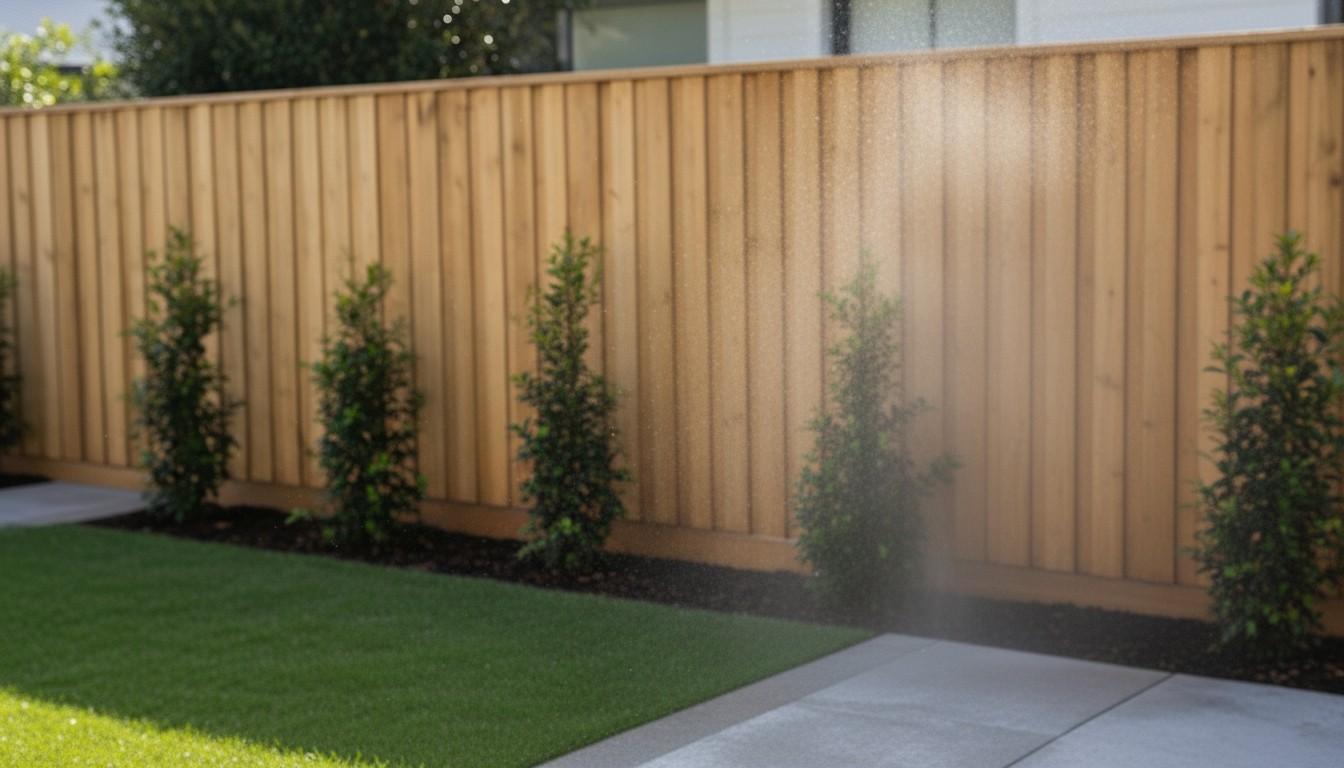
Fence pressure cleaning in Sydney revives dirty, weathered fences by blasting away grime, mould, algae, and stains with high-pressure water, often mixed with detergents. This method suits many materials but requires care to avoid damage, especially on timber or painted surfaces. Professionals in Sydney handle local challenges like humid coastal weather that promotes organic growth, ensuring thorough results while protecting nearby plants and drainage. This guide equips you with knowledge to decide between DIY and hiring help, covering safe techniques, material considerations, and environmental responsibility.
What Fence Pressure Cleaning Means
Fence pressure cleaning uses a machine to spray water at high force, often 1,500 to 3,000 PSI, to strip away built-up dirt, mould, and stains from fences. It works by directing a focused stream that dislodges contaminants without heavy scrubbing. Add mild detergents for tougher jobs, and the process can restore a fence's look in hours.
This approach helps when fences show visible grime from weather exposure, like in Sydney's variable climate. It clears organic growth that weakens structures over time. Yet, it does not suit every situation. Skip it if the fence has fresh paint or delicate coatings, as the force can chip or erode them.
Fence Materials and the Safest Cleaning Method
Fences come in various materials, each reacting differently to cleaning. Timber absorbs water, risking swelling if pressure is too high. Painted timber needs gentle handling to keep the finish intact. Metal resists force but can dent or rust if the coatings strip. Coated steel, like Colorbond, handles moderate pressure well. Vinyl or PVC warps under heat or excess force. Brick and stone endure high pressure, but mortar can crumble. Composite materials mimic wood but scratch easily.
Softwoods like pine splinter more than hardwoods like merbau. Test any method on a small spot first. Adjust nozzle distance and angle to control impact.
|
Material |
Main Risk |
Safer Approach |
Notes (distance, angle, test patch) |
|
Timber (softwoods) |
Splintering, swelling |
Soft washing or low PSI (under 1,500) |
Keep 45-60 cm away, at a 45-degree angle; test the hidden board. |
|
Timber (hardwoods) |
Grain raising |
Moderate pressure with detergent |
30-45 cm distance, wide fan nozzle; patch test for water absorption. |
|
Painted timber |
Paint chipping |
Soft washing preferred |
60 cm min distance, low angle; test edge to check adhesion. |
|
Metal |
Denting, rust |
Medium PSI (1,500-2,000) |
45 cm away, 30-degree angle; test for coating integrity. |
|
Coated steel |
Coating erosion |
Low to medium pressure |
45-60 cm, fan nozzle; patch test on seam. |
|
Vinyl/PVC |
Warping, cracking |
Soft washing only |
60 cm min, shallow angle; test corner for flexibility. |
|
Brick/stone |
Mortar damage |
High PSI but targeted |
30 cm for stains, 45-degree; test joint area. |
|
Composite |
Scratching |
Soft washing or very low PSI |
60 cm away, wide angle; patch test surface texture. |
Pressure Washing vs Soft Washing for Fences
Pressure washing shoots water at high force to blast off dirt. Soft washing mixes low-pressure sprays with cleaning solutions that dwell and loosen grime. The choice depends on the fence condition and material.
Use this decision framework: If the fence has heavy, caked-on dirt but is sturdy, like uncoated metal, go for pressure washing. For delicate surfaces or organic growth like mould, pick soft washing to avoid etching or stripping. Lower pressure often wins on fences because high force can embed water into pores, leading to rot in timber or cracks in vinyl.
Soft washing kills algae at the root with targeted chemicals, needing less water overall. Pressure washing excels at quick rinses but risks overspray. In humid areas like Sydney, soft washing prevents regrowth better by treating the causes, not just the symptoms.
How to Pressure Clean a Fence Safely: A Detailed Step-by-Step Guide
Pressure cleaning can lift dirt, mould, algae, cobwebs, and weathering from timber, Colorbond, vinyl, and painted fences, but it can also gouge timber, strip paint, or force water behind panels if you rush. Use a low-to-high approach, test first, protect nearby plants, and clean in controlled passes so you get an even finish without damage.
1) Pre-check the fence (don’t skip this)
What to inspect
-
Loose palings or panels, wobbly posts, popped nails or screws
-
Rotten timber, soft spots, termite damage, splintering edges
-
Peeling paint, flaking stain, cracked or failed sealant
-
Gaps around rails, caps, and joins where water can be forced in
Fix first
-
Tighten fasteners, replace broken palings, and re-secure rails
-
If the timber is rotted or the paint is heavily peeling, pressure cleaning may worsen it. Consider gentler washing or plan for sanding and re-coating after.
2) Protect plants, surfaces, and surrounding areas
Plants
-
Lightly water plants first (damp leaves dilute any overspray).
-
Cover sensitive plants with breathable covers or plastic, but don’t leave plastic on in direct heat for long.
-
Rinse plants again after you finish.
Nearby items
-
Cover power points, lights, and anything that cannot get wet.
-
Close windows and doors near the work area.
3) Set up your equipment the right way
Pressure washer tips
-
Use an adjustable PSI unit if possible.
-
Pick a wide fan nozzle (25° or 40°). Avoid a zero-degree tip.
-
Consider a surface cleaner or soft wash setting for delicate finishes.
General pressure guidance (start low)
-
Soft timber (older pine, weathered paling): start very low and only increase if safe
-
Hardwood: moderate pressure may be ok, but still test
-
Painted fences: low-pressure only
-
Colorbond/vinyl/PVC/composite: low to moderate pressure, keep distance
Detergent
-
Use a mild outdoor cleaner that suits the fence material.
-
Avoid harsh chemicals on stained timber unless you know the product is compatible.
4) Do a test patch
How to test
-
Choose a hidden spot.
-
Start at low pressure, about 60 cm away, and move closer slowly if needed.
-
Use a fan spray, not a pinpoint jet.
-
Let it dry and check the surface.
What you’re checking for
-
Timber “furring” (raised fibres), striping marks, gouges
-
Paint lifting, colour patchiness, or dull spots on Colorbond
-
Water forcing into joins or behind the panels
Mould, Algae and Stain Removal: What Works and What to Avoid
Mould and algae thrive in damp shade, forming green or black films. Stains vary by cause, needing tailored removal.
For organic growth like mould or algae, use a bleach-free cleaner with a sodium hypochlorite alternative. Apply, let sit, then rinse. Avoid straight bleach; it harms plants and discolours surfaces.
Rust runs from metal fittings need a phosphoric acid-based remover. Scrub gently, then neutralise.
Tannin bleed from timber shows as brown streaks. Use oxalic acid cleaner, but test first.
Dirt film builds from pollution. Mild soap and soft brush suffice before rinsing.
Stain type mini guide:
-
Organic growth: Biocide solution, dwell 10 minutes, low-pressure rinse.
-
Rust runs: Acid remover, spot treat, protect source fittings.
-
Tannin bleed: Wood brightener, apply evenly, neutralise after.
-
Dirt film: Detergent scrub, thorough rinse to prevent streaks.
Keep chemical use minimal. Ventilate areas and rinse well to avoid residue.
Runoff and Wash Water Handling for Pressure Cleaning
Runoff from cleaning carries dirt, detergents, and contaminants into storm drains, harming waterways. Urban stormwater often includes pollutants like heavy metals from grime, as shown in studies on runoff sources. This matters because it affects local ecosystems.
Block drains with barriers or mats. Collect water with a wet vac or sump pump. Direct flow to grass or soil for natural filtering, not hard surfaces.
For chemicals, use biodegradable options, but still contain runoff. Check local rules on disposal.
Protect neighbours by notifying them and containing the spray. Prevent overspray with tarps.
Follow guidance like this, pressure washing pollution prevention tips to keep wash water from storm drains.
Safety and Damage Prevention Pressure Cleaning
Wear PPE: goggles, gloves, long sleeves, pants, and closed-toe shoes. Pressure washers can cause cuts or injuries needing medical care.
Avoid electric shock by using grounded outlets and keeping cords dry. Never spray electrical boxes.
Watch for slips on wet ground. Use a stable footing and no ladders unless secure.
Keep bystanders away, especially kids and pets. Secure the area.
Ladder risk rises on uneven terrain; opt for extension wands instead.
Review safety from authorities like the CDC's pressure washer guidelines to minimise injury risks.
Injuries from high-pressure sprays can lead to severe outcomes, per medical reviews.
How Often Should You Clean a Fence? A Simple Maintenance Plan
Clean fences every 12-24 months, depending on exposure. In shaded, humid spots like some Sydney backyards, do it yearly to stop mould buildup. Sunny, dry areas might stretch to two years.
Maintenance plan: Inspect quarterly for dirt or damage. Brush off loose debris monthly. Seal timber fences annually after cleaning. Trim plants away to improve airflow and reduce moisture.
Prevention tips: Choose mould-resistant materials for new installs. Ensure good drainage around the base.
FAQs
How much does it cost to pressure wash a fence?
Costs depend on size, material, and condition. Expect variables like length (per metre) and extras for stain removal. Get multiple quotes to compare. Factor in access and double-sided needs.
Professionals assess on-site for accurate pricing. Avoid flat rates without details; they might skip steps.
Is it OK to pressure wash a fence?
Yes, if done right. It removes grime effectively but risks damage to soft materials. Use low PSI and test first.
For wood, ensure it's dry afterwards to prevent rot. Soft washing is safer for painted or vinyl fences.
What is the best way to clean a fence?
Combine detergent with pressure or soft washing based on the material. Prep by clearing debris, protecting plants, rinse thoroughly.
Regular maintenance beats heavy cleans. For eco-friendliness, minimise chemicals.
How do you clean a fence without a pressure washer?
Use a hose, scrub brush, and mild soap. Apply solution, brush top to bottom, rinse.
For stains, try a baking soda paste. Dry well to avoid mould.
How long does it take to pressure wash a fence?
A standard 50-metre fence takes 2-4 hours, including setup and drying time. Larger or dirtier ones extend to a day.
Pros speed it up with better gear.
What PSI to pressure wash the fence?
Start at 1,500 PSI for most. Drop to 1,000 for delicate surfaces. Adjust based on test patch results.
Higher risks of splintering; always use fan nozzles.
What is the best pressure washer for cleaning fences?
Electric models suit beginners with adjustable settings. Look for 1,500-2,000 PSI and multiple nozzles.
Gas ones offer power for big jobs but need more skill.
Can you pressure wash a wooden fence?
Yes, but use low pressure and wide nozzles. Let dry fully before sealing to protect.
Avoid if the paint is fresh or wood is soft.
How to remove mould from a fence?
Apply mould killer, let it dwell, rinse with low pressure. Prevent with better airflow and sealing.
Wear PPE; contain runoff.
How often should you clean your fence?
Every 1-2 years. More in damp areas to stop growth. Inspect seasonally for early dirt.

 English
 Arabic
 French
 Spanish
 Portuguese
 Deutsch
 Turkish
 Dutch
Dutch
 Italiano
 Russian
 Romaian
 Greek
Greek