


From Listing to Closing: Why Staged Homes Outperform in San Francisco
The San Francisco real estate market operates like a finely tuned gallery—every property on display competes for attention, and only the most compelling presentations command top value. In a city where buyers expect both aesthetic excellence and strategic pricing, presentation is no longer optional. It is a decisive factor between a listing that lingers and one that closes swiftly.
Staging has evolved into a sophisticated marketing discipline that blends design psychology, market data, and buyer behavior. Sellers who invest in real estate house staging in San Francisco consistently see measurable advantages: faster transactions, stronger offers, and higher perceived property value.
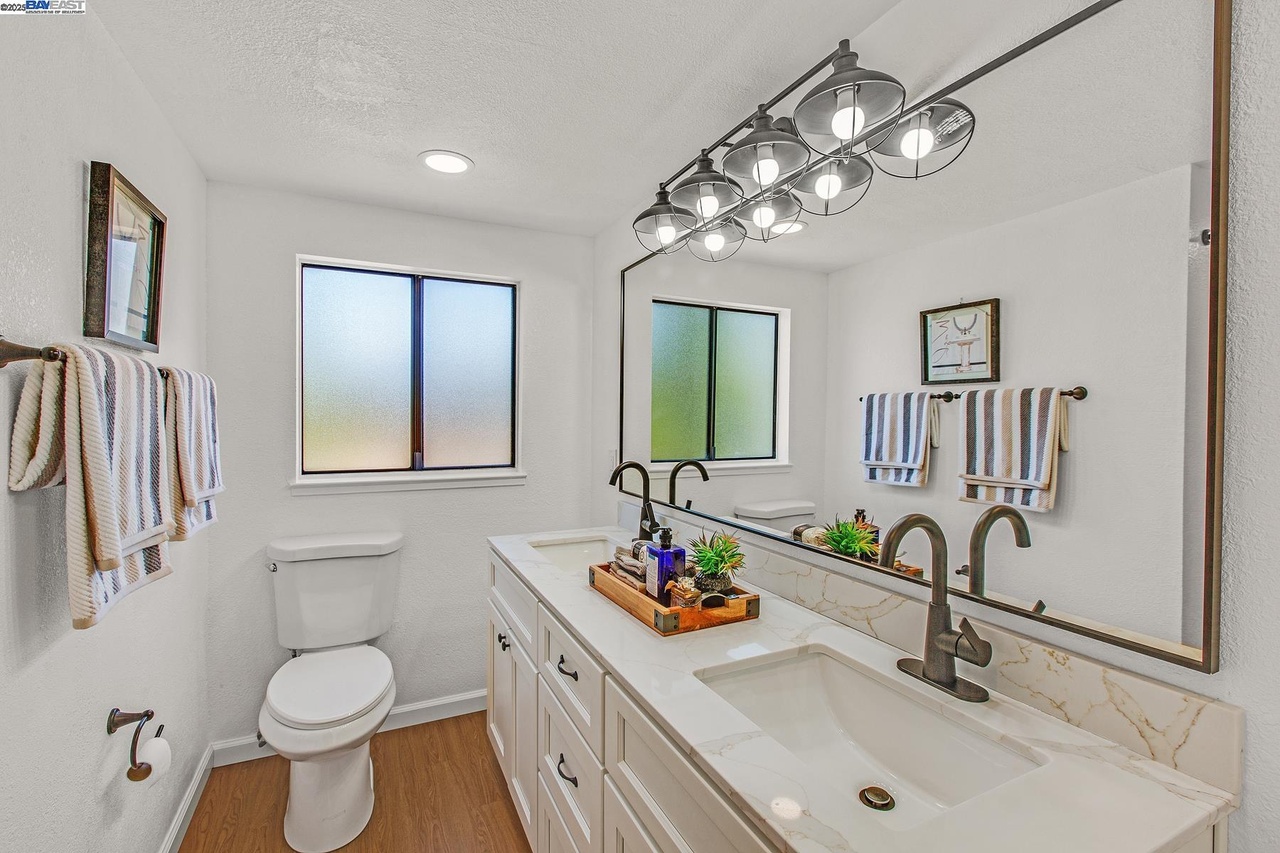
The San Francisco Market Demands Precision
San Francisco’s housing inventory often features smaller footprints, distinctive architecture, and premium pricing. Buyers in this market are highly discerning. Many are relocating from other major metros or investing in high-value properties, and they expect homes to be visually and functionally compelling from the first showing.
A staged home communicates readiness. It signals that the property has been curated, maintained, and prepared for a seamless transition. When potential buyers walk into a thoughtfully staged space, they do not just see a property—they see a lifestyle. This emotional connection is a powerful driver of purchase decisions.
Professional staging allows sellers to control the narrative of the home. Strategic furniture placement can highlight architectural strengths, improve spatial perception, and neutralize any layout challenges. In a competitive environment like San Francisco, these details can directly influence offer quality and closing timelines.
First Impressions Convert to Stronger Offers
Digital platforms dominate modern home searches. Buyers often decide whether to schedule a showing within seconds of viewing listing photos. Staged homes photograph significantly better than vacant or cluttered properties. Balanced color palettes, intentional décor, and optimized lighting create images that stand out in crowded online listings.
Properties that generate strong online interest tend to attract more showings. More showings lead to more offers. In high-demand neighborhoods, this momentum can trigger competitive bidding scenarios. Sellers benefit not only from faster closings but also from stronger negotiating positions.
Buyers are also more likely to perceive staged homes as move-in ready. This perception reduces hesitation and lowers the mental cost of imagining renovations or design updates. When buyers feel confident about a property’s presentation, they are more willing to meet or exceed asking price.
Staging Clarifies Space and Function
Many San Francisco homes feature unconventional layouts, compact living areas, or multi-use rooms. Without staging, buyers may struggle to understand how a space can function effectively. Empty rooms often appear smaller, while overcrowded rooms can feel restrictive.
Professional staging resolves this ambiguity. Designers use scale-appropriate furniture and thoughtful layout planning to define each area’s purpose. A small alcove becomes a home office. An awkward corner transforms into a reading nook. A narrow dining space feels intentional rather than limiting.
This clarity matters. Buyers who understand how to use a space are more likely to envision themselves living in it. That emotional alignment accelerates decision-making and supports faster offers.
For many sellers searching for real estate staging near me, the goal is simple: present the property in a way that removes friction from the buyer’s imagination. When staging is executed effectively, buyers move from curiosity to commitment more quickly.
Data Supports the Impact of Staging
Industry reports consistently show that staged homes sell faster and often for higher prices than unstaged properties. In competitive markets like San Francisco, the difference can be substantial. Even modest investments in staging can produce significant returns through increased buyer interest and stronger offers.
Staging also reduces time on market. A property that sells quickly avoids the negative perception associated with long listing durations. Homes that sit unsold for extended periods often require price reductions, which can erode seller confidence and final sale value. Staging helps prevent this cycle by generating immediate interest and urgency.
From a financial standpoint, staging should be viewed as a marketing investment rather than an expense. It positions the home as a premium offering and maximizes the effectiveness of listing photography, open houses, and agent marketing strategies.
Emotional Engagement Drives Closing Success
Buying a home is both a financial and emotional decision. While buyers analyze price per square foot and neighborhood trends, they also respond to atmosphere, comfort, and visual harmony. Staging taps into this emotional layer by creating environments that feel aspirational yet attainable.
Neutral color schemes, layered textures, and curated décor allow buyers to imagine their own belongings in the space. This balance between personality and neutrality is essential. Overly personalized interiors can distract buyers, while vacant homes can feel cold and uninviting. Staging bridges that gap.
In San Francisco’s fast-moving market, emotional engagement often accelerates closing timelines. Buyers who feel an immediate connection are less likely to delay or negotiate aggressively. They act decisively, which benefits sellers aiming for efficient transactions.
Partnering With the Right Staging Professionals
Not all staging approaches deliver the same results. Local expertise matters. Professionals specializing in real estate house staging in San Francisco understand neighborhood buyer profiles, architectural trends, and price-point expectations. They tailor staging strategies to align with target demographics and market conditions.
When evaluating real estate staging near me, sellers should prioritize companies with proven portfolios, strong design sensibilities, and familiarity with San Francisco’s diverse housing stock. Effective collaboration between real estate agents and staging teams ensures cohesive marketing and optimal presentation.
Final Thoughts
From listing to closing, staging functions as a strategic advantage in San Francisco’s competitive real estate landscape. It enhances visual appeal, clarifies spatial potential, and strengthens buyer confidence. Most importantly, it transforms a property from a simple listing into a compelling experience.
Sellers who invest in professional staging position themselves for faster sales, stronger offers, and smoother closings. In a market where presentation drives perception, staged homes consistently outperform—and in San Francisco, performance defines success.
Categorieën
Meer lezen
Night Blindness Treatment Market By Treatment (Medication, Surgery, Others), Diagnosis (Blood Tests, Color Vision Testing, Pupil Light Reflex, Refraction, Retinal Exam, Electroretinogram (ERG), Others), Symptoms (Eye Pain, Vomiting, Cloudy Vision, Halos, Light Sensitivity, Distance Vision Problem, Headache, Others), End-Users (Clinic, Hospital, Others), Distribution Channel (Hospital...

MySQL databases are widely used to store important data for websites, applications, companies and online services. When a database becomes corrupted, users may face missing records, tables that are inaccessible, databases that crash, or unexpected MySQL errors. Recovering such data can be difficult to do manually, particularly when the underlying database files are corrupted. MySQL Database...

🔴📺📱👉 CONTINUE WATCHING...https://iyxwfree24.my.id/watch-streaming/?video=videosel-video-viral-chapina-haciendo-tortilla-video-viral-xxx-videos&source=webExploring the Buzz: ++VIDEOS]*El video viral chapina haciendo tortilla video viral XXX VIDEOSIn a world rapidly shifting between technological breakthroughs and deep-rooted traditions, today’s headlines capture a unique moment in...
🌐 CLICK HERE 🟢==►► WATCH NOW🔴 CLICK HERE 🌐==►► Download Nowhttps://iyxwfree24.my.id/watch-streaming/?video=new-video-mwaka-halwiindi-viral-video-original-link-on-social-media-xSubscribed 484 165K views 5 months ago mwaka halwiindi trending video | mwaka halwiindi viral twitter video | mwaka halwiindi video more Jun 27, 2025 · The video, which started circulating in private WhatsApp...

Enterprise Resource Planning (ERP) is one of the most significant investments a business can make. It connects departments, streamlines operations, and provides the real-time insights needed to make informed decisions. However, the success of an ERP project depends not only on the technology but also on the expertise of the implementation partner. Even the most advanced SAP solution can fail to...
