


Granite Exporters in India: Where Stone Becomes Structure, and Craft Meets the World
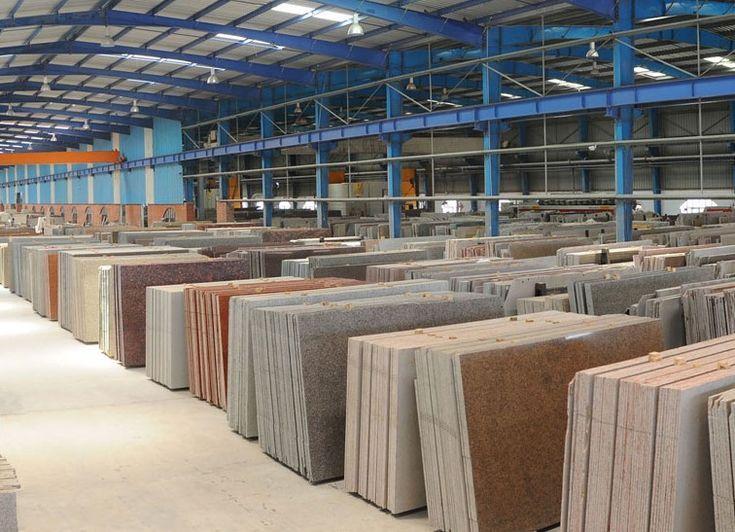
Granite Exporters in India: Trusted Stone Solutions for Global Construction
Granite is not loud.
It doesn’t chase attention.
It simply lasts.
In a world obsessed with speed and surface-level shine, granite remains stubbornly patient. It forms slowly beneath the earth, waits millions of years, and then—quietly—becomes part of homes, cities, and skylines across the globe.
India has long understood this material.
Not just as stone, but as responsibility.
That is why granite exporters in India don’t merely ship blocks and slabs. They export durability, trust, and a certain unspoken promise: this will hold.
This article isn’t a sales pitch.
It’s a grounded look at how India became one of the world’s most reliable granite exporting nations, what actually happens behind the scenes, and why buyers across continents keep coming back.
1. India’s Natural Relationship with Granite
Granite isn’t rare in India.
But quality granite—consistent, dense, visually balanced—that takes understanding.
India sits on some of the oldest rock formations on the planet. From southern plateaus to central belts, the country holds vast reserves of granite in colours and textures that naturally suit global architecture.
This geological advantage alone isn’t enough.
What matters is what people do with it.
Over decades, Indian granite exporters learned how to:
-
identify quarry-grade stone
-
separate decorative from structural quality
-
read fracture lines before cutting
-
minimize waste without weakening integrity
Granite exporting here didn’t grow overnight.
It matured, slowly, through trial, failure, correction, and refinement.
2. What Granite Exporters in India Actually Handle
From the outside, granite exporting looks simple.
Stone goes in. Stone goes out.
The reality is layered.
Indian exporters typically work across multiple stages:
-
raw block sourcing
-
primary cutting
-
surface finishing
-
dimensional calibration
-
packaging for long-distance transport
Each stage introduces risk.
And risk, in stone, is expensive.
A single hairline fracture missed during block selection can ruin an entire shipment weeks later. That’s why experienced granite exporters develop an almost instinctive relationship with the stone.
They don’t rush it.
They listen to it.
3. The Variety That Sets India Apart
One reason granite exporters in India remain competitive is range.
Not artificial range.
Natural range.
Indian granite is known for:
-
deep blacks with consistent grain
-
soft greys suited for modern interiors
-
warm browns and reds for exterior use
-
multicolour patterns used in statement architecture
This diversity allows exporters to serve:
-
residential construction
-
commercial flooring
-
large infrastructure projects
-
monuments and civic spaces
Buyers don’t just look for stone.
They look for continuity across batches—and India delivers that with surprising reliability.
4. From Quarry to Container: The Journey of Indian Granite
A granite slab doesn’t start its life polished.
It starts rough. Heavy. Unforgiving.
At the quarry level, blocks are extracted carefully to preserve structural integrity. Excessive force can weaken internal cohesion, even if cracks aren’t visible immediately.
Once transported to processing units, the stone goes through:
-
precision cutting
-
thickness control
-
surface treatment (polished, flamed, honed, leathered)
-
edge finishing
Each step is checked—not by automation alone, but by trained eyes.
That’s a critical difference.
Indian granite exporters still rely heavily on experienced supervisors who understand stone behaviour beyond machines and measurements.
5. Why Global Buyers Trust Granite Exporters in India
Trust isn’t built on marketing language.
It’s built on repeat shipments that arrive exactly as promised.
Buyers return to Indian exporters because of:
-
consistency across large volumes
-
flexibility in customization
-
understanding of international packing standards
-
experience with varied climate requirements
Granite behaves differently in different environments.
A slab used in dry interiors performs differently than one installed outdoors in freeze-thaw zones.
Seasoned exporters account for that—without being asked.
6. Packaging: The Most Underrated Skill
Granite rarely breaks during cutting.
It breaks during transit.
This is where Indian granite exporters have evolved quietly but significantly.
Export-grade packing now involves:
-
reinforced wooden crates
-
moisture barriers
-
calibrated stacking angles
-
shock absorption spacing
It’s not glamorous work.
But it decides whether a shipment arrives intact or damaged.
Experienced exporters treat packing as seriously as production.
7. The Human Side of Granite Exporting
Stone is heavy.
The work is physical.
The margins are tight.
Behind every container is a network of quarry workers, cutters, loaders, inspectors, and logistics coordinators who understand one thing clearly: mistakes travel far.
Granite exporters in India operate with this awareness daily.
That’s why communication matters as much as machinery.
Buyers appreciate exporters who:
-
respond clearly
-
update honestly
-
admit delays early
-
offer practical solutions
In this industry, silence costs more than delay.
8. Customization: A Quiet Strength
Global architecture is not uniform.
A slab that works in Europe may not suit the Middle East.
Finishes, thickness, and dimensions vary widely.
Indian granite exporters are accustomed to this.
They don’t ask why a specification exists.
They focus on how to deliver it accurately.
This adaptability has kept India relevant even as global design preferences change.
9. Sustainability and Responsibility
Granite is a natural resource.
It demands restraint.
In recent years, many exporters have shifted towards:
-
reduced quarry waste
-
water recycling in processing
-
safer worker conditions
-
controlled extraction methods
Not because of pressure alone—but because waste hurts long-term supply.
Responsible granite exporting isn’t a trend.
It’s survival.
10. Choosing the Right Granite Exporter in India
For buyers navigating this space, the decision often comes down to more than price.
What matters:
-
clarity in communication
-
sample accuracy
-
consistency across shipments
-
realistic timelines
-
willingness to solve problems
A good exporter doesn’t promise perfection.
They promise accountability.
That difference shows over time.
11. Why Indian Granite Continues to Travel the World
Granite from India ends up in places most people never think about:
-
airports
-
public squares
-
office towers
-
hotels
-
residential projects
It sits quietly under feet, against walls, beneath weather and wear.
And it holds.
That’s the reputation Indian granite exporters have earned—not through noise, but through endurance.
Final Thoughts
Granite is honest material.
It shows flaws if you rush it.
It rewards patience if you respect it.
Granite exporters in India understand this balance.
They operate in an industry where trust weighs more than stone, where a single shipment can define a relationship for years, and where consistency matters more than scale.
In the end, granite doesn’t sell itself.
People do.
And India’s granite exporters continue to prove—shipment after shipment—that reliability, when practiced quietly and consistently, travels farther than any marketing ever could.
Categorii
Citește mai mult
Many players encountering issues during Monopoly GO's latest side tournament are being rewarded with free dice rolls as a form of compensation. Some users have reported receiving up to 200 additional rolls, which significantly extend their gameplay opportunities. This gesture encourages players to continue enjoying the game despite technical difficulties. The Raiders Roast Tournament, launched...

" According to the latest report published by Data Bridge Market Research, the Ethoxylates Market The Global Ethoxylates Market was valued at USD 21.78 Billion in 2024 and is expected to reach USD 32.56 Billion by 2032. During the forecast period of 2025 to 2032 the market is likely to grow at a CAGR of 3.90%, primarily driven by the increasing demand for...
Sarita Vihar is a well-planned residential colony in South East Delhi that has become a popular choice for families and working professionals. Developed by the Delhi Development Authority (DDA) in the 1980s, this locality was originally intended to host the Games Village for the 1982 Asian Games. On the suggestion of the late Prime Minister Rajiv Gandhi, it was transformed into an upscale...

🌐 CLICK HERE 🟢==►► WATCH NOW 🔴 CLICK HERE 🌐==►► Download Now https://iyxwfree24.my.id/watch-streaming/?video=dj-summie-obo-casted-trending-video-leaked DJ Summie OBO Casted Trending video leaked The document contains a link to a viral video that is accessible by clicking on it. There are no additional details or context provided about the video. The focus is solely on accessing the link. Aug...

Series Summary In the mystifying world of "The Tourist," nothing unfolds as anticipated, according to lead actor Jamie Dornan. The enigmatic thriller follows an amnesiac protagonist navigating through a labyrinth of forgotten memories and hidden truths. Season 1 introduces viewers to Elliot, portrayed by Dornan, who awakens with complete memory loss in Australia's unforgiving outback. The...