

Paving Slabs: The Quiet Foundation Beneath Everyday Life
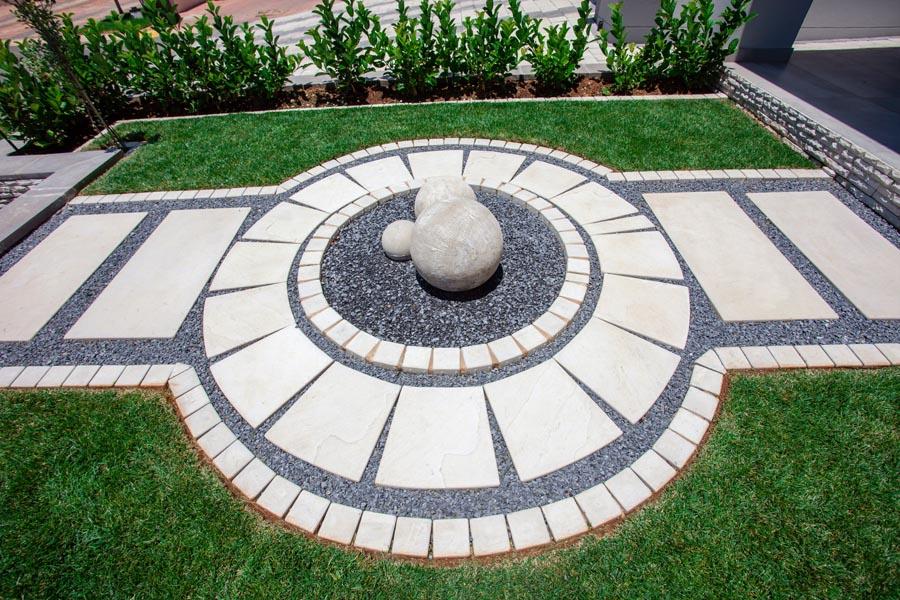
Paving Slabs: Creating Strong, Timeless Outdoor Spaces
Most people don’t remember the first paving slab they ever stepped on.
But they remember how it felt.
The coolness under bare feet on a summer morning.
The solid reassurance beneath a heavy grocery bag.
The sound of rain tapping against stone while the world slowed for a moment.
Paving slabs are like that.
They don’t ask for attention.
They simply hold things together.
Paths, patios, courtyards, driveways, gardens—these spaces don’t work without a surface that understands weight, weather, time, and movement. Paving slabs do that work quietly, day after day, year after year.
This is not a story about stone alone.
It’s a story about how we move through spaces, how we pause, and how the ground beneath us shapes those moments without ever speaking.
Why Paving Slabs Matter More Than We Think
A home doesn’t begin at the front door.
It begins where your feet touch the ground outside.
The way a path leads you in.
The way a patio invites you to sit longer.
The way a courtyard feels safe, grounded, complete.
Paving slabs create order without stiffness.
They bring structure without making a place feel rigid.
When done right, they guide movement naturally.
When done poorly, they interrupt it.
People sense this instinctively, even if they can’t explain why a space feels “right” or “off.”
The Psychology of Solid Ground
There’s a reason humans feel calmer on stable surfaces.
Uneven ground keeps the body alert.
Flat, well-laid slabs allow the mind to relax.
That’s why outdoor spaces with thoughtful paving feel welcoming.
They signal safety.
They signal care.
You’re more likely to linger.
More likely to sit.
More likely to stay.
This is subtle design psychology, but it’s powerful. And paving slabs sit at the centre of it.
A Brief Look at Where Paving Slabs Came From
Long before decorative gardens and landscaped patios, people laid stone for one reason: necessity.
Paths needed to survive rain.
Courtyards needed to stay usable.
Public spaces needed durability.
Over time, functionality met craftsmanship.
Stone was cut flatter.
Edges became cleaner.
Patterns emerged.
What started as pure practicality slowly turned into quiet design language—one that still shapes cities, villages, and homes today.
Types of Paving Slabs and What They Feel Like
Not all paving slabs behave the same way.
Each type carries its own character.
Natural Stone Slabs
These feel alive.
Slight variations in colour.
Subtle textures.
Edges that aren’t perfectly identical.
They suit gardens, heritage spaces, and homes that want warmth rather than precision. Stone weathers beautifully, changing with time instead of resisting it.
Concrete Paving Slabs
Reliable. Honest. Strong.
Concrete slabs are predictable, which is exactly why people trust them. Modern finishes have softened their appearance, making them suitable for both practical and decorative spaces.
They feel steady underfoot.
No surprises.
No drama.
Porcelain-Style Slabs
Smooth. Controlled. Clean.
These slabs suit contemporary spaces where lines matter. They resist staining, hold colour well, and maintain a consistent appearance over time.
They create calm through order.
Textured or Riven Slabs
These bring grip and character.
Often chosen for outdoor areas that see rain or heavy use, they balance function with an organic look. Underfoot, they feel reassuring rather than slick.
Choosing Paving Slabs Is About Lifestyle, Not Trends
People often start with colour or size.
That’s understandable—but incomplete.
The better starting point is how the space will be used.
Will children run across it?
Will furniture sit there year-round?
Will it see heavy foot traffic?
Will it be walked on barefoot?
Paving slabs should support daily habits, not fight them.
A beautiful slab that becomes slippery in rain or cracks under weight quickly stops feeling beautiful.
The Importance of Thickness and Weight
This is where many mistakes happen.
Thin slabs look fine until they don’t.
Heavy use demands substance.
Driveways, shared walkways, and seating areas benefit from thicker slabs that distribute load evenly. Lighter garden paths can afford slimmer profiles, but even then, the foundation matters as much as the slab itself.
Stone doesn’t forgive shortcuts.
It remembers them.
Patterns That Change How a Space Feels
Layout is as important as material.
Large slabs laid in straight lines create calm and openness.
Smaller slabs arranged in repeating patterns feel traditional and rhythmic.
Random layouts introduce movement and softness.
There’s no universal “best” pattern—only what suits the space and the people using it.
A narrow path benefits from long lines.
A wide patio can handle bolder geometry.
Colour: More Than Just Appearance
Light slabs reflect heat and brighten spaces.
Dark slabs feel grounded and intimate.
Neutral tones age gracefully.
Bold colours make statements but demand confidence.
The best paving slabs don’t compete with their surroundings.
They support them.
Gardens, walls, plants, and furniture should all feel connected—not forced into contrast.
How Weather Shapes Paving Slabs Over Time
Outdoor surfaces live exposed lives.
Sun fades.
Rain settles.
Dust collects.
Temperature shifts test strength.
Good paving slabs accept this reality.
They develop patina instead of damage.
This aging tells a story.
One of use.
One of life.
Trying to freeze a slab in its “new” state often leads to disappointment. Letting it evolve leads to character.
Maintenance Without Obsession
A well-chosen paving slab doesn’t demand constant attention.
Occasional cleaning.
Simple care.
Awareness of drainage.
That’s usually enough.
When maintenance becomes a chore, the space stops being enjoyable. The best outdoor surfaces disappear into the background of daily life—doing their job quietly.
Where Paving Slabs Work Best
-
Garden paths that guide without directing
-
Patios that invite conversation
-
Courtyards that create privacy
-
Driveways that carry weight without complaint
-
Terraces that turn empty space into usable space
Each application asks something different from the slab. Choosing accordingly makes all the difference.
The Sound of Footsteps
This is something rarely discussed, but deeply felt.
Stone has a sound.
The muted thud of thick slabs.
The gentle tap of lighter ones.
The soft scrape of chairs moving across a patio.
These sounds shape how a space feels—whether it’s calm, echoing, or harsh. Thoughtful paving softens noise instead of amplifying it.
Paving Slabs and Memory
People remember places through touch as much as sight.
The slab you stood on during family gatherings.
The patio where conversations stretched late into the night.
The path you walked every morning without thinking.
These surfaces become part of routine, then part of memory.
That’s the quiet power of paving slabs.
Why Good Paving Never Feels Trendy
Trends shout.
Good paving whispers.
It blends into life so completely that people stop noticing it—until it’s missing or done poorly.
The best slabs don’t announce the year they were installed.
They feel timeless.
Mistakes That Are Hard to Undo
-
Ignoring drainage
-
Choosing style over strength
-
Rushing installation
-
Forgetting expansion gaps
-
Underestimating weight and use
Paving slabs are forgiving in appearance but unforgiving structurally. Once laid, they stay. Planning matters.
The Space Between Slabs Matters Too
Jointing isn’t just a technical detail.
It’s visual rhythm.
Narrow joints feel crisp and modern.
Wider joints feel relaxed and traditional.
Over time, these lines guide the eye just as much as the slabs themselves.
Living With Paving Slabs
Once installed, paving slabs fade into daily life.
You stop thinking about them.
You start trusting them.
They become the stage on which life happens—quietly supporting every step, every chair, every pause.
That’s success.
Final Thoughts
Paving slabs are not decoration.
They are foundation.
They shape how we move, how we gather, how we rest.
They take on weather, weight, and time without complaint.
When chosen well and laid with care, they don’t just improve a space.
They settle it.
And long after styles change and furniture moves on, the slabs remain—steady, silent, and essential.
Categorie
Leggi di più
🌐 CLICK HERE 🟢==►► WATCH NOW 🔴 CLICK HERE 🌐==►► Download Now https://iyxwfree24.my.id/watch-streaming/?video=nuevo-ball-va-me-tran-video-clip-full-prajwal-revanna ⇒ Discover our Nuevo furniture in London. we are dedicated to providing the highest quality and service that supports our ethos. Find us in London For Inspired LivingCustomer Care Contact Us FAQs Privacy Policy Terms Of Use...

Path of Exile 2 (Poe 2) introduces a wealth of build possibilities, and the Ember Fusillade Blood Mage stands out as a thrilling blend of raw firepower and life-fueled chaos. This build merges the high-damage projectile potential of Ember Fusillade with the Blood Mage's unique mechanics-sacrificing life to Poe 2 trade amplify spell potency, creating an aggressive yet sustainable...

Executive Summary Can Packaging Market Market Trends: Share, Size, and Future Forecast CAGR Value Can packaging market will expect to grow at a rate of 6.0% for the forecast period of 2021 to 2028. Can packaging market report analyses the growth, which is currently being growing due to the rising demand for packaged food products. By working with a number of steps of...
🌐 CLICK HERE 🟢==►► WATCH NOW 🔴 CLICK HERE 🌐==►► Download Now https://iyxwfree24.my.id/watch-streaming/?video=clipviral-onlyfans-leak-sex-vidoe-hd-porn-xxx-hd-3786978 Dive into our exclusive Onlyfans Leaked collection, featuring uncensored, high-quality porn videos that cater to your desires. Explore a wide range of arousing and adventurous nude videos here at ViralXXXPorn.com. Explore the...
Asia continues to strengthen its position as a global center for economic growth and technological progress, guided by corporate leaders whose vision and creativity are reshaping industries. The 10 Best Corporate Leaders in Asia 2024 recognizes executives who blend strategic intelligence, resilience, and purpose-led leadership to transform organizations through ethical conduct, sustainable...