


Everything You Need to Know About Motorcycle Leather Pants Before Buying
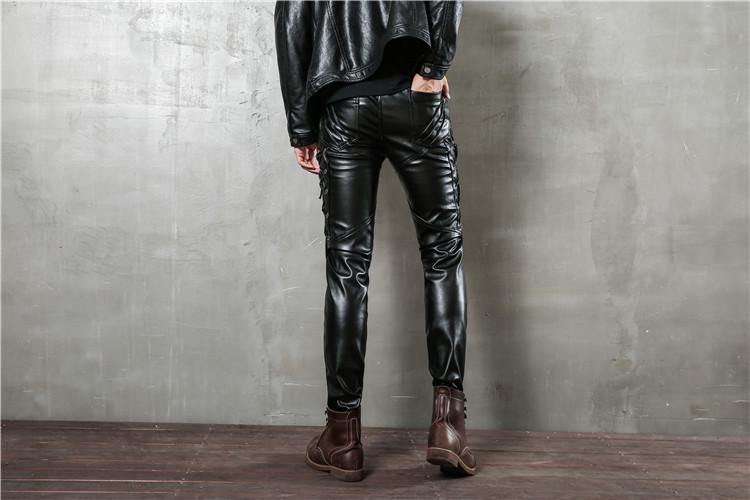
Motorcycle leather pants are often purchased with high expectations and little real preparation. Many riders focus on how they look off the bike, not how they behave at speed, under pressure, or during long hours in the saddle. However, leather pants are not fashion trousers with armor added. They are functional safety equipment designed to move, flex, resist abrasion, and absorb impact while the rider remains entirely in control.
For new riders, leather pants can feel intimidating. For experienced riders, past mistakes often shape buying decisions. Either way, the search intent behind this purchase is the same worldwide. Riders want comfort that lasts, protection that works when needed, and fit that supports real riding posture.
This guide will help you understand how mens leather biker pants behave once you are actually riding, not just standing in front of a mirror or reading a size chart.
Leather Pant Fit and Comfort Problems
Fit issues are the most common reason riders abandon leather pants after purchase. These problems rarely appear when standing in front of a mirror. They surface when seated, leaning forward, braking hard, or holding a riding position for extended periods.
Leather behaves differently from textile. It molds over time, but only if the initial structure supports movement. Poor fit turns leather into a rigid shell rather than a second skin.
Tight knees
Knee tightness usually results from straight-leg construction. Pants designed without pre-curved knees resist bending, which creates constant tension while riding. Over time, this tension causes fatigue and distracts the rider from the road.
Waist pressure
Waist discomfort happens when pants are cut for a standing posture. When seated, the waistband presses into the abdomen or lower back. This pressure worsens on longer rides and can restrict breathing without the rider realizing why.
Limited hip movement
Hips are the pivot point of control. Without stretch panels or accordion leather, pants fight against natural movement. Riders feel this when shifting weight during cornering or adjusting position at stops.
Chafing on inner thighs
Seam placement matters. Thick seams or overlapping leather panels rub against inner thighs, especially in warm climates. This irritation builds slowly and often goes unnoticed until it becomes painful.
Pants riding down
Leather pants that rely solely on a waistband will eventually slide down. This occurs when the cut ignores the riders posture and belt support. Constant adjustment breaks concentration and reduces comfort.
Comfort issues are not signs of rider weakness. They are signs of design mismatches.
Leather Pants Safety Features Riders Need
Protection is the reason leather pants exist. However, not all leather pants provide equal protection. Many look durable but fail where it matters most.
Safety failures often come from omissions, not obvious flaws. Missing armor, weak stitching, or thin leather in key zones turn protective gear into false confidence.
-
Abrasion resistance depends on leather thickness and quality
-
Impact protection relies on proper armor placement
-
Structural integrity comes from reinforced seams
Weak abrasion resistance zones
Some pants use thinner leather in non-visible areas to reduce cost. Unfortunately, these zones often make initial contact with the ground during a slide. Abrasion resistance must be consistent across impact zones.
Missing armor
Leather alone cannot absorb impact energy. Without knee armor, force is transmitted directly to the joints. Many riders only realize this after examining crash reports or experiencing near misses.
Poor armor positioning
Armor that shifts while riding is almost as dangerous as having none. When armor floats, it leaves joints exposed precisely when protection is needed.
No hip protection
Hips are among the first points of contact in a fall. Budget pants often skip hip armor entirely. Riders assume leather thickness compensates, but impact physics disagree.
Stitching failure
Seams hold everything together. Low-grade thread or single stitching can fail under sudden force, causing panels to separate during impact.
Safety is not about fear. It is about preparation.
Leather Quality and Construction Differences
Not all leather behaves the same. Full-grain, top-grain, and corrected leather differ in strength, flexibility, and longevity. Riders across climates quickly notice these differences.
Full-grain leather offers the best abrasion resistance but requires proper break-in. Softer leathers feel comfortable early but may wear faster under stress.
Construction techniques matter just as much as material. Panel layout, seam direction, and reinforcement zones determine how leather responds during movement and impact.
In contrast to marketing claims, heavier leather is not always better. Balanced thickness paired with strategic flexibility delivers superior control.
Climate, Ventilation, and Heat Management
Heat management is often overlooked until summer arrives. Leather traps heat naturally. Without ventilation planning, riders experience sweat buildup, dehydration, and reduced focus.
Perforated panels, airflow channels, and breathable linings help regulate temperature; however, placement matters. Random perforation weakens abrasion zones.
In hot regions, riders adapt by choosing lighter liners and controlled airflow rather than sacrificing protection. In colder climates, leather acts as insulation when layered correctly.
Comfort across temperatures increases ride time and reduces fatigue.
Movement, Control, and Riding Posture
Riding is dynamic. Pants must support acceleration, braking, cornering, and stopping. When leather resists motion, control suffers.
Pre-shaped legs, stretch zones behind knees, and flexible waist construction allow the rider to move naturally. Without these elements, riders unconsciously adjust their posture to compensate.
This compensation increases strain on the knees, hips, and lower back. Over long distances, minor strain becomes significant discomfort.
Good leather pants disappear while riding. Bad ones constantly remind you they are there.
Leather Pants vs Chaps and Alternative Options
Some riders compare full pants to chaps based on convenience rather than protection. Chaps offer airflow and easy removal, but leave critical areas exposed.
Leather motorcycle chaps, designed for men, are popular for cruising and short rides, especially in warmer climates. However, they do not protect the hips, seat area, or inner thighs.
Choosing between pants and leather motorcycle chaps mens styles depends on riding style, distance, and risk tolerance. Understanding the limitations of each option helps riders make informed decisions.
Sizing Myths Riders Believe
Sizing charts often mislead. Waist size alone does not determine fit. Inseam length, rise height, and thigh circumference all influence comfort.
Many riders size down, expecting leather to stretch significantly. While leather molds, it does not magically fix poor proportions.
Trying pants in a riding posture reveals more than standing tests. Sitting, bending knees, and simulating a riding position expose real fit issues.
Long-Term Wear and Aging
Leather evolves with use. High-quality leather develops character rather than damage. Creases form where movement occurs naturally. Poor leather cracks and stiffens.
Maintenance affects longevity. Proper cleaning and conditioning preserve flexibility and strength. Neglect accelerates breakdown.
Across cultures, riders respect gear that ages with them. Leather pants often become trusted companions rather than disposable equipment.
Choosing Based on Riding Purpose
Every riding style places different demands on gear. Touring riders need sustained comfort. Urban riders need flexibility and ease of movement. Performance riders need precise control.
Buying leather pants without defining the riding purpose leads to compromise. Clear intent simplifies decisions and prevents regret.
In contrast, riders who match gear to their riding habits report higher satisfaction and more extended usage.
Final Thoughts
Motorcycle leather pants are not impulse purchases. They are long-term investments in safety, comfort, and confidence. Understanding construction, fit, climate behavior, and movement support transforms buying decisions.
Riders around the world share similar experiences despite different roads and weather conditions. The fundamentals remain universal.
When chosen wisely, leather pants stop feeling like equipment and become protection you can trust.

 English
 Arabic
 French
 Spanish
 Portuguese
 Turkish
 Dutch
Dutch
 Italiano
 Russian
 Romaian
 Portuguese (Brazil)
 Greek
Greek