


The Unhackable Future: Top Trends in the Quantum Communication Market

The quantum communication industry is at the cutting edge of physics and engineering, with several key Quantum Communication Market Trends shaping the path towards a future of perfectly secure information exchange. These trends are focused on overcoming the current limitations of the technology, such as distance and cost, and on expanding its applications beyond simple key distribution. This relentless innovation is a primary reason why the Quantum Communication Market is Expected to Reach a Valuation of USD 17.94 Billion by 2035, Reaching at a CAGR of 29.32% during 2025 - 2035, as the technology matures and becomes more practical for a wider range of uses.
The most significant trend is the development of satellite-based quantum communication. Current Quantum Key Distribution (QKD) systems using fiber optics are limited in range to a few hundred kilometers due to signal loss. Satellite QKD overcomes this limitation by transmitting quantum signals through the vacuum of space, where there is very little signal degradation. This involves sending entangled photons between a satellite and ground stations, or from a satellite to two different ground stations simultaneously. This trend, pioneered by China's Micius satellite, is the key to creating a truly global quantum communication network, enabling secure intercontinental links and providing coverage to remote areas without fiber infrastructure. Several countries and private companies are now racing to launch their own QKD satellite constellations.
A second critical trend is the miniaturization and integration of quantum components, leading to the development of "QKD-on-a-chip." The first generation of QKD systems were bulky, expensive, and required a laboratory full of discrete optical components. The new trend is to use the techniques of integrated photonics to build the key components of a QKD system—such as the single-photon sources and detectors—onto a single, small silicon chip. This would dramatically reduce the size, weight, power consumption, and, most importantly, the cost of the hardware. This miniaturization is essential for making the technology commercially viable for a much broader range of applications, such as securing communications to mobile devices or deploying it on a massive scale within data centers.
A third major trend is the research and development of the technologies needed for a full-fledged "quantum internet." While QKD focuses on secure key exchange, a quantum internet would allow for the direct transmission of quantum states (qubits) between quantum computers. This would enable applications like distributed quantum computing, where multiple small quantum computers could be linked together to act as a single, more powerful machine. Realizing this vision requires overcoming major scientific hurdles, particularly the development of "quantum repeaters," which are devices that can extend the range of quantum entanglement without destroying the delicate quantum state. While still in the early research phase, the development of these next-generation technologies is a major long-term trend that will define the future of the industry beyond QKD.
Explore Our Latest Trending Reports:
Emerging Pervasive Information Communication Technologie Market Size
Categories
Read More
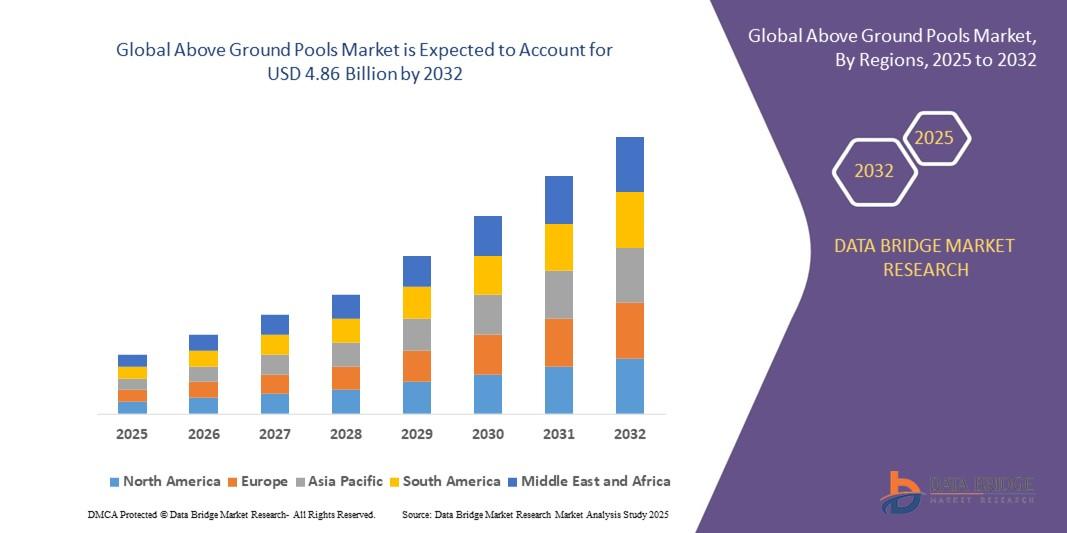
Executive Summary Above Ground Pools Market Size and Share Across Top Segments CAGR Value The global above ground pools market size was valued at USD 3.26 billion in 2024 and is expected to reach USD 4.86 billion by 2032, at a CAGR of 5.10% during the forecast period This Above Ground Pools Market report is composed of a myriad of factors that have an influence on the market and...
How fast will the Epidermal Growth Factor Receptor (EGFR) Inhibitors Market expand as precision oncology reshapes global cancer treatment strategies? The Epidermal Growth Factor Receptor (EGFR) Inhibitors Market represents one of the most dynamic segments within targeted oncology therapeutics. EGFR inhibitors are precision medicines designed to block the epidermal growth factor receptor...

🌐 CLICK HERE 🟢==►► WATCH NOW🔴 CLICK HERE 🌐==►► Download Nowhttps://filmsaha.my.id/join/?video=volaris-contact-official-cual-es-elIf you need support, you can contact Volaris Customer Service on WhatsApp, Facebook Messenger, social media, or via phone. Volaris Servicio al Cliente en Español El teléfono de Volaris USA atiende las 24 horas del día, además del...

According to the latest report published by Data Bridge Market Research, the Bath Salts Market CAGR Value The global bath salts market size was valued at USD 1.36 billion in 2025 and is expected to reach USD 2.71 billion by 2033, at a CAGR of 8.99% during the forecast period A top notch Bath Salts Market report has been designed after a thorough study of various key market...

Japan is a destination that offers unforgettable experiences throughout the year, but autumn brings a special kind of beauty to its historic cities and natural landscapes. A Nara autumn foliage tour is an excellent way to discover colorful scenery, traditional Japanese culture, and peaceful surroundings. With Zen Go, travelers can explore the seasonal charm of Nara and enjoy a memorable journey...
